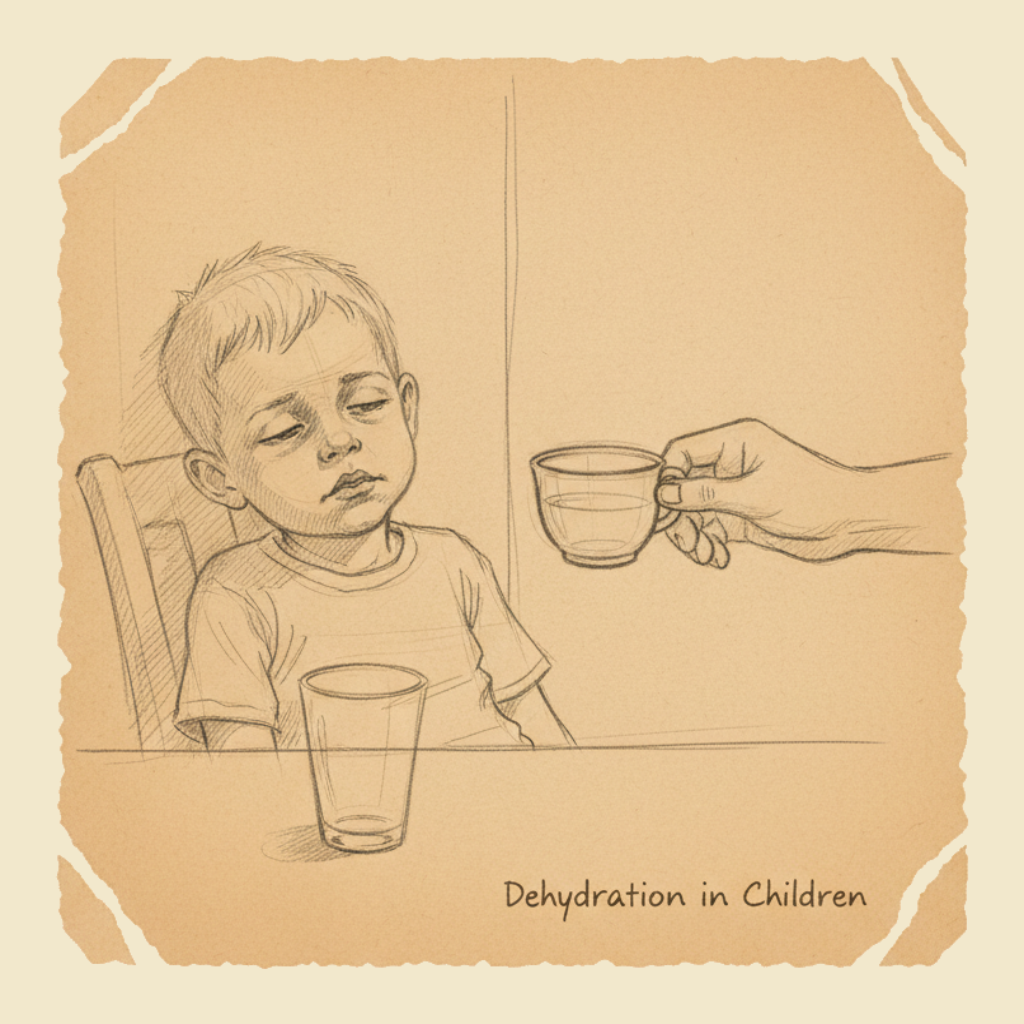
Why dehydration in children is its own topic
Adults have a large body of water and a robust set of compensations for losing some of it. Children have less body water in absolute terms, lose it faster (more body surface area per kilogram, faster metabolic rate, more evaporation), and have less reserve when they do. An infant who has been vomiting for a morning can be significantly dehydrated by lunchtime. A child with a fever and reduced fluid intake on a hot day can be dehydrated by mid-afternoon. The same loss in an adult would be a minor inconvenience. G9.2.9
The first aider's job in an education and care setting is to recognise dehydration before it becomes severe, address it where it can be addressed at the service, and escalate to medical care when the situation needs more than oral fluids and reassurance. The conditions that cause dehydration in children — vomiting, diarrhoea, fever, hot weather, sustained exercise without fluid replacement — are common, and the educator who knows what to look for is the one who keeps the situation from becoming an ambulance call.
This chapter sits alongside the vomiting and diarrhoea chapter (the most common cause), the fever chapter, and the hyperthermia chapter (heat-related fluid loss).
§ Instructor's note
The teaching point is the speed and the subtlety. Dehydration in adults usually presents with thirst and dry mouth — symptoms the casualty reports. In children the signs are observed by the carer, and they appear gradually before suddenly tipping into the severe range. The instructor should drill the rule: watch the wet nappies, the tears, the skin, the mouth, the eyes, the alertness, and the urine — because the child will not tell you they are dehydrated until they are too sick to say.
What dehydration is
Dehydration is the loss of body water (and electrolytes) at a rate faster than they are being replaced. It is always a balance problem — too much going out, too little coming in, or both. The result is reduced circulating blood volume, reduced tissue perfusion, and the cascade of physiological changes that follow.
The body has compensations: it conserves water by reducing urine output, it shifts fluid from the cells into the bloodstream, it constricts peripheral blood vessels to maintain blood pressure to the brain. These compensations work for a while. When they fail, the child decompensates — and the decompensation in a small child is rapid.
The categories of severity:
- Mild dehydration (about 3 to 5% of body weight lost) — increased thirst, slightly dry mouth, slightly reduced urine output. The child looks well and is behaving normally.
- Moderate dehydration (about 6 to 9% of body weight lost) — dry mouth, decreased tears when crying, sunken eyes, slow capillary refill, reduced skin turgor, decreased urine output, tiredness, irritability.
- Severe dehydration (10% or more of body weight lost) — very dry mouth, no tears, very sunken eyes, very slow capillary refill (more than 3 seconds), cool mottled extremities, drowsiness or unresponsiveness, very little or no urine output. This is a medical emergency.
The first aider's recognition needs to capture the moderate range — because that is the range where a phone call to the parent and the right oral fluids can prevent the slide into severe — and the severe range, because that is the range where the answer is the ambulance.
What causes dehydration in a child at the service
The common scenarios:
- Gastroenteritis — vomiting, diarrhoea, or both. The most common cause and the one most likely to produce significant dehydration quickly. See the vomiting and diarrhoea chapter.
- Fever — a febrile child loses more water through breathing and sweating, often combined with reduced appetite and reduced fluid intake.
- Hot weather and inadequate fluid intake — particularly on a hot day with active outdoor play. Children may not stop to drink unless reminded.
- Vigorous exercise without fluid replacement.
- Refusal to eat or drink because the child is unwell, has a sore throat, or is upset.
- Burns — significant burns lose large volumes of fluid through the damaged skin. See the burns chapter.
- Diabetic ketoacidosis in a child with type 1 diabetes — the high blood sugar drives water out of the body through the urine. See the diabetes chapter.
- Extreme heat exposure — see the hyperthermia chapter.
A child who has been unwell for any reason and is now refusing fluids is on the path to dehydration. The combination of increased losses and reduced intake is particularly fast.
The signs of dehydration in a child
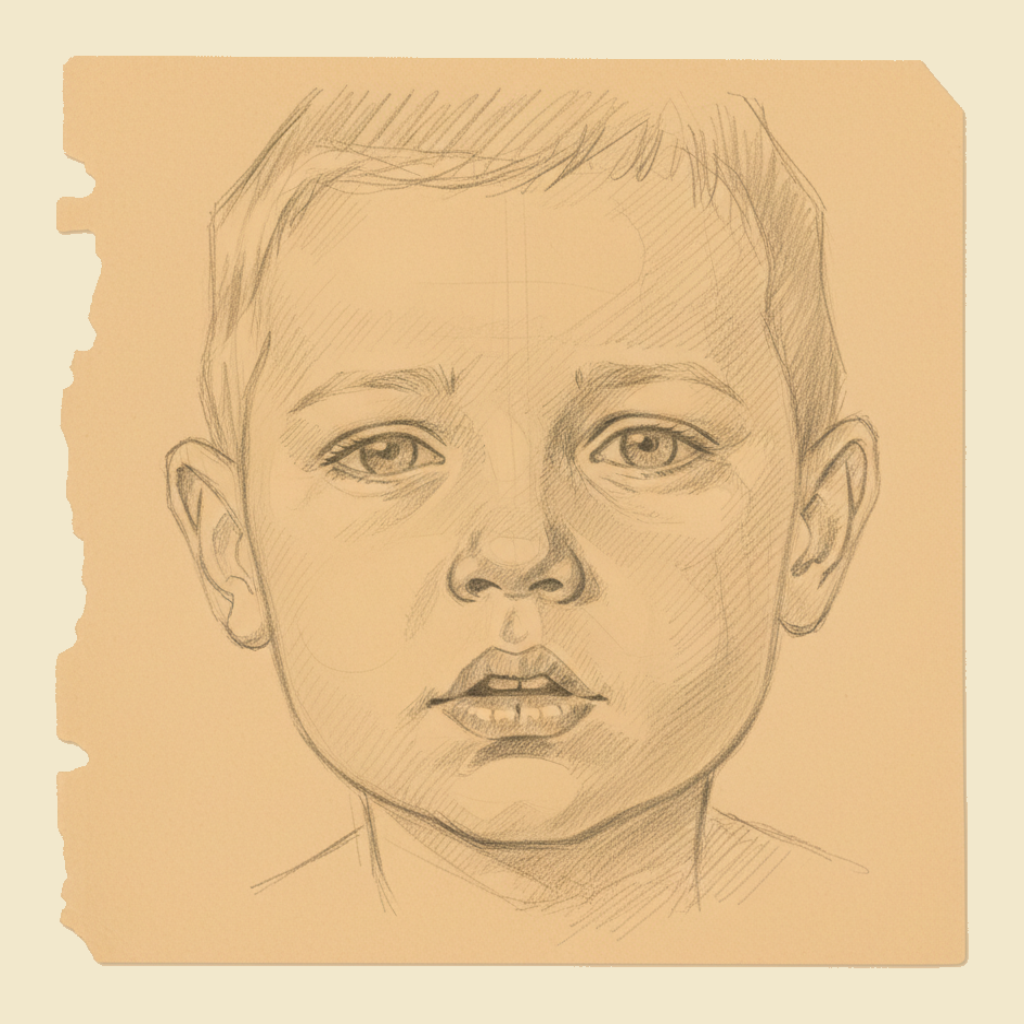
The signs an educator should be looking for, roughly in order from earliest to latest:
Mouth and lips
- Dry mouth and lips. The lips look chapped or cracked. The inside of the mouth, when you can see it, looks dry rather than glistening. The tongue may look thick and dry.
- Reduced saliva — visible to a parent or educator who knows the child.
Tears and eyes
- Reduced or absent tears when the child cries. A child who would normally produce tears and is now crying without them is dehydrated.
- Sunken eyes — the eyes look hollow, the orbits look deeper than usual. This is most obvious in infants where the cheeks normally look full.
- Sunken fontanelle in an infant — the soft spot on the top of the head, normally flat or slightly bulging, becomes sunken when the infant is dehydrated. This is one of the most reliable signs in infants.
Skin
- Reduced skin turgor — when you gently pinch a fold of skin on the back of the hand or the abdomen, it should snap back immediately. In a dehydrated child it stays raised for a moment ("tenting"). This is a useful but tricky-to-judge sign; it requires comparison with how a well-hydrated child of the same age feels.
- Pale, dry, or mottled skin — particularly in moderate to severe dehydration.
- Cool extremities — hands and feet feel cool when the rest of the body is warm, indicating reduced peripheral perfusion.
- Slow capillary refill — press the skin on the chest or fingertip for two seconds, release, and watch the colour return. In a well-hydrated child it returns in under 2 seconds; in a dehydrated child it takes longer.
Urine output
- Reduced urine output — fewer wet nappies than usual in an infant (a baby who would normally have 5 to 6 wet nappies per day having only 1 or 2 is significantly dehydrated), or reduced toilet trips in older children.
- Dark, concentrated urine — strongly yellow or amber, with a strong smell. Healthy hydration produces pale yellow urine.
- No urine for several hours — a serious sign in any child.
Behaviour and mental state
- Increased thirst in older children who can ask for it.
- Irritability or lethargy — a child who is more grumpy, more clingy, or more withdrawn than usual.
- Drowsiness in moderate to severe dehydration — a child who is unusually quiet, sleepy, or hard to rouse.
- Reduced responsiveness in severe dehydration — a sign of imminent decompensation.
Vital signs (where you can assess them)
- Fast pulse — the heart compensates for reduced blood volume by speeding up.
- Fast breathing — tachypnoea, particularly with an underlying acidosis.
- Low blood pressure — late, and not usually measurable by an educator. By the time blood pressure drops, the child is in decompensated shock.
The signs build up. A child who has only one of them is probably mildly dehydrated and can be managed with oral fluids; a child with several of them is probably moderately dehydrated and needs medical assessment; a child with the late signs is severely dehydrated and needs an ambulance.
Mild dehydration — what the first aider can do
For a child with mild signs (slight dry mouth, slightly reduced wet nappies or toilet trips, looking otherwise well) who is at the service:
- Offer fluids in small frequent sips. Water is fine for an older child who is mildly affected. For an infant, breast milk or formula in the usual way; for a toddler with mild gastroenteritis, an oral rehydration solution (Hydralyte, Gastrolyte, or equivalent) is the best option if available — see below.
- Avoid sugary drinks — fruit juice, soft drinks, sports drinks. They have too much sugar, which can draw more fluid into the gut and worsen diarrhoea, and not enough of the right electrolytes.
- Cool the environment if heat is part of the problem — move the child to a cooler room, encourage rest, remove excess clothing.
- Inform the parent at the next opportunity — phone or pickup — and document the observation in the incident record.
- Monitor for any progression — increased lethargy, vomiting, refusing to drink. If the child is not improving, escalate.
The aim is to address the mild dehydration before it becomes anything more, and to keep the parent informed so they can manage the child at home that evening.
Moderate dehydration — escalation
For a child with moderate signs (dry mouth, decreased tears, sunken eyes, lethargy, decreased urine output, reduced skin turgor, fast pulse), the educator should:
- Phone the parent immediately with a clear description of the signs. The child needs to be assessed by a doctor or taken to a hospital — the parent decides which.
- Continue to offer fluids — small sips of water or oral rehydration solution — while waiting. Do not force a child to drink, but encourage and offer.
- Document everything — when the symptoms started, what fluids and food the child has had, what they have lost (vomiting, diarrhoea, urine output), the observed signs, the contact with the parent, the response.
- Reassess regularly — every 15 minutes or so. If the child is worsening, escalate further. Do not just wait for the parent to arrive if the child is deteriorating.
- Be prepared to call 000 if the situation moves into the severe range.
Moderate dehydration is the awkward middle ground where the educator's job is to recognise that something more than service-level care is needed and to make sure the child gets it — without becoming the doctor.
Severe dehydration — the emergency
For a child with severe signs (very dry mouth, no tears, sunken eyes, mottled or cool skin, very slow capillary refill, drowsiness or reduced responsiveness, very little or no urine), the response is:
- Call 000 immediately. This is a child in shock from fluid loss, and they need intravenous fluids and hospital management. The first aider cannot provide what is needed.
- Lay the child down with the legs slightly elevated if comfortable, in line with the shock chapter.
- Keep them warm but not hot — a light blanket. Avoid overheating, which makes things worse.
- Do not give large volumes of oral fluid to a severely dehydrated, drowsy child — they may aspirate. Small sips only, if the child is alert enough to swallow safely.
- Notify the parent — usually after 000 if the situation is critical, in parallel if there is help available to make both calls.
- Be ready to start CPR if the child becomes unresponsive and stops breathing normally. Severe dehydration can progress to cardiac arrest if not corrected.
- Stay with the child until the ambulance arrives, monitoring constantly.
If a child who has been unwell with vomiting, diarrhoea, fever, or sustained heat exposure becomes drowsy, hard to rouse, or has cool mottled skin, that child is in decompensated shock from dehydration. This is not "let's keep an eye on them" territory; it is an ambulance call. Children deteriorate fast in this state, and the difference between a child who recovers fully and a child who needs intensive care can be a matter of minutes.
Oral rehydration solutions — and what to avoid
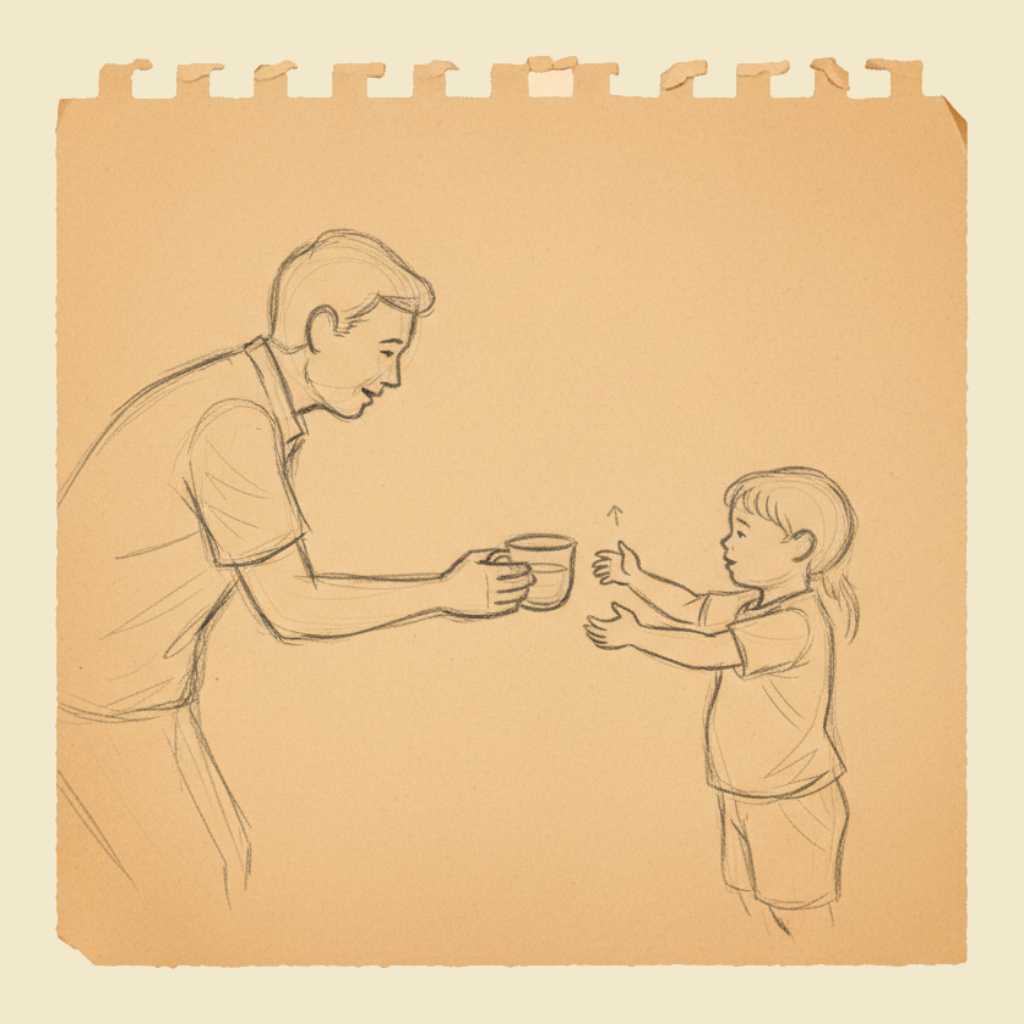
For mild and early-moderate dehydration in a child who can drink, oral rehydration solution (ORS) is the right fluid. ORS is a balanced mixture of water, salts (sodium and potassium), and a small amount of glucose — formulated so that the gut absorbs it efficiently even in the presence of diarrhoea. Commercial brands in Australia include Hydralyte, Gastrolyte, and Pedialyte (less common). They are sold at pharmacies and supermarkets, in pre-mixed liquid, powder sachets to make up with water, or icy-pole form (often the easiest for a reluctant child).
The dosing is small frequent sips — a teaspoon or two every few minutes for a young child, more for an older child. Forcing a large volume causes vomiting; small sips are absorbed before the gut has time to reject them.
What to avoid in a dehydrated child:
- Sugary drinks — fruit juice (even diluted), soft drinks, cordial, sports drinks. The sugar concentration is wrong and can worsen diarrhoea. Sports drinks are particularly tempting and particularly wrong: they are designed for adult exercise dehydration, not paediatric gastroenteritis, and the electrolyte balance is not correct for a sick child.
- Plain water in large quantities in a young child with vomiting and diarrhoea — water alone does not replace the lost salts and can in extreme cases cause electrolyte disturbance.
- Carbonated drinks — the bubbles upset the stomach.
- Tea, coffee, energy drinks — diuretics that worsen dehydration.
- Milk for a child with active diarrhoea — for some children the lactose intolerance that follows gastroenteritis makes milk worse temporarily. (Breast milk is an exception and is encouraged for breastfed infants.)
Most services keep oral rehydration solution in the medication cupboard or first aid supplies for exactly this purpose. If your service does not, suggest it to the nominated supervisor — it is cheap, has a long shelf life, and is the right fluid for a common situation.
Particular considerations for infants
Infants under 1 year are the highest-risk group for dehydration and the hardest to assess. Special considerations:
- Breastfed infants should continue to be breastfed, and breast milk is the right rehydration fluid. The mother (or expressed milk) is the first answer.
- Formula-fed infants can usually continue formula, with oral rehydration solution offered between feeds if dehydration is suspected.
- The fontanelle — the soft spot on top of the head — is one of the most reliable signs in infants. A sunken fontanelle indicates significant dehydration; a flat or slightly bulging fontanelle is normal.
- Wet nappies are the best objective measure of urine output. A baby who has had no wet nappy for 6 hours, or markedly fewer than usual for the day, is significantly dehydrated.
- Weight loss — a doctor or nurse can weigh the baby and compare with the previous weight, but this is not an educator's task. It is mentioned here so you understand how the medical staff will assess the situation.
- Speed of decompensation — infants tip from compensated to decompensated faster than older children. The threshold for calling for medical help should be lower for an infant than for a toddler.
A breastfeeding mother whose infant attends the service may need to come and feed during the day if the baby is unwell. Communication with the family is often the simplest answer.
The best response to dehydration is to prevent it. On hot days, the service should make sure children have unrestricted access to water, are encouraged to drink frequently (children often forget when absorbed in play), have shaded play areas, take breaks indoors where possible, and are watched for the early signs in any child who has been particularly active. A child who has stopped drinking and is becoming irritable or quiet on a hot day is a child to bring inside for water and rest. Sun-protective clothing, hats, and sunscreen are part of the same picture. See the hyperthermia chapter for the heat-illness side of this.
Documentation and communication
Every dehydration episode at the service deserves a written record:
- The child's name and the time of the observation.
- The signs observed (dry mouth, reduced wet nappies, sunken eyes, etc.).
- The presumed cause (gastro, hot day, refusal to drink, etc.).
- The fluids offered and the amount taken.
- Any vomiting or diarrhoea episodes during the day, with approximate volume.
- Communication with the parent and the outcome.
- Any escalation (medical advice, ambulance, hospital).
The parent should be told:
- What the educator observed and when.
- What was done about it at the service.
- What the educator suggests for the rest of the day and overnight (continuing fluids, watching for any return or worsening, when to seek medical attention).
- Whether the child is well enough to return to the service the next day, in line with the service's exclusion policy for vomiting and diarrhoea.
Children are at increased risk of dehydration compared with adults because of their relatively higher body surface area, faster metabolic rate, and lower fluid reserve. Recognition of dehydration in infants and children depends on observation of mucous membranes, tear production, fontanelle in infants, urine output, skin turgor, capillary refill, and changes in level of consciousness. Mild and moderate dehydration is managed with oral fluids, ideally an oral rehydration solution. Severe dehydration with signs of shock requires immediate emergency medical care. The first aider's role is to recognise the signs early, support the child with appropriate fluids where possible, and escalate to medical assessment when the situation exceeds what can be managed at the service.
What not to do
- Do not assume a quiet drowsy child is "just tired". In a child who has been unwell, drowsiness is a sign of decompensation.
- Do not give sugary drinks, sports drinks, or fruit juice to a child with vomiting or diarrhoea.
- Do not force a dehydrated child to drink large volumes — this causes vomiting and worsens the problem. Small sips, frequently.
- Do not dismiss a baby's lack of wet nappies — it is one of the most reliable signs.
- Do not wait for a child to look "really sick" before contacting the parent or seeking medical care. Moderate signs are enough to act on.
- Do not delay a 000 call for a severely dehydrated child. They need intravenous fluids and the educator cannot give them.
- Do not assume the same hydration approach works for an infant as for an older child. Infants need their own fluids — breast milk, formula, or oral rehydration solution — not adult drinks.
- Do not forget to document the episode, the response, and the parent communication.
You will rehearse the recognition of mild, moderate, and severe dehydration in role-play scenarios with paediatric details — sunken fontanelle, dry mouth, reduced wet nappies, sluggish capillary refill — and practise the conversation with the parent that escalates a moderate situation to medical assessment. You will also handle commercial oral rehydration solution products and discuss the dosing for different ages.
Children dehydrate fast and the signs are subtle until they are not. Watch the mouth, the eyes, the tears, the skin, the wet nappies, and the alertness — and act on the early and moderate signs before they become severe. Oral rehydration solution in small frequent sips is the right fluid for the early end; medical assessment is the right answer for the moderate; the ambulance is the right answer for the severe. Prevention is even better than recognition: water on the table, shade in the yard, and an eye on the child who has stopped drinking.
— ANZCOR Guideline 9.2.9 (heat-related illness)